Blog ·
Organizing Your Closet by Lifestyle: A Practical Approach
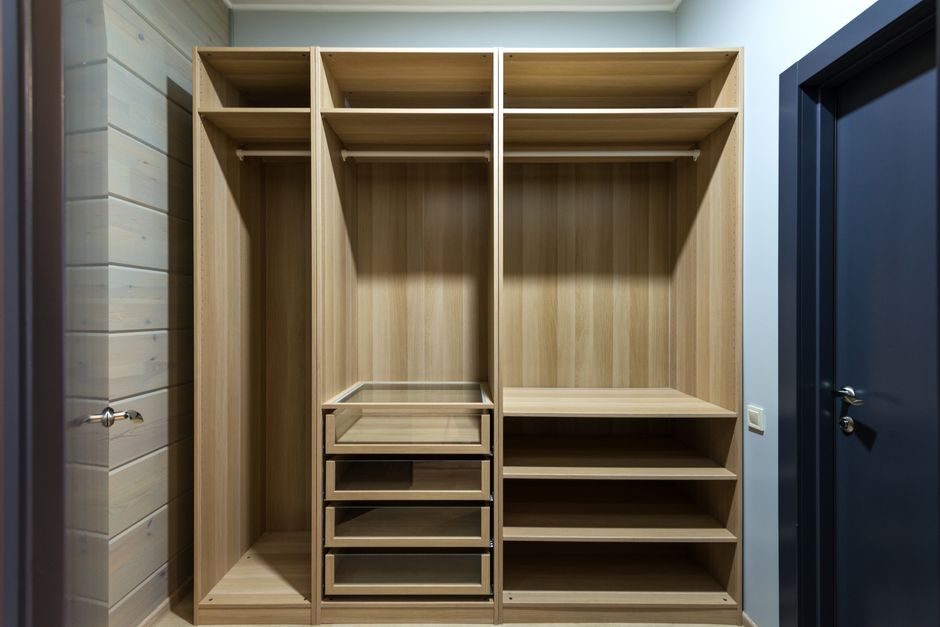
Generic closet organization advice often misses the mark because it doesn't account for how you actually live. Your closet should reflect your real activities and wardrobe needs, not an imaginary lifestyle someone invented for organizing guides.
Before designing your closet organization, honestly assess your daily activities. Do you commute to an office, work from home, exercise regularly, have social commitments, or handle household responsibilities? Your answers shape which clothing categories matter most and how much space each deserves.
The Remote Work Closet
If you work from home, your organization needs differ from office workers. You likely need fewer professional pieces but more comfortable everyday wear. Organize accordingly by giving prime space to casual clothing you wear daily—loungewear, comfortable pants, and casual tops. Keep a smaller section for the occasional video call outfits or outside meetings. This approach prevents your closet from being dominated by rarely-worn professional clothing.
The Active Lifestyle Organization
People who exercise regularly need dedicated, accessible space for workout clothes. Position these items at eye level in your most-used section. Include drawer space for socks, athletic undergarments, and accessories. Keeping workout gear easily visible encourages you to actually use it instead of forgetting what you own.
Social and Professional Balance
If your lifestyle balances office work with weekend social activities, create two strong zones. Your professional section needs wrinkle-resistant organization—individual hangers for blazers, tailored shelving for dress pants. Your social wear zone can use folding and more casual organization since these items may sit unworn for weeks between occasions.
Seasonal Considerations
Your lifestyle determines how much seasonal space you need. If you travel frequently or spend time in multiple climates, keep appropriate clothing accessible year-round. If you stay in one place with clearly defined seasons, store off-season items completely separate.
Accessories and Special Items
Tailor your accessory storage to your lifestyle needs. Someone who travels frequently for work needs quick access to jewelry and bags organized by versatility. A homebody might prefer jewelry stored more carefully in drawers. A person with an active social life needs shoes organized by occasion type—work heels, casual flats, dressy evening shoes—for quick selection.
Maintaining Your System
The best closet organization reflects your actual life, not an imagined ideal. Every three months, assess whether your organization still serves your current activities. As your lifestyle changes with seasons or life circumstances, your closet should adapt too.
When your closet mirrors how you actually dress and live, maintaining order becomes effortless. You reach for what you need without frustration, and you see and wear everything you own. This practical alignment between organization and lifestyle creates a closet that genuinely works for you.